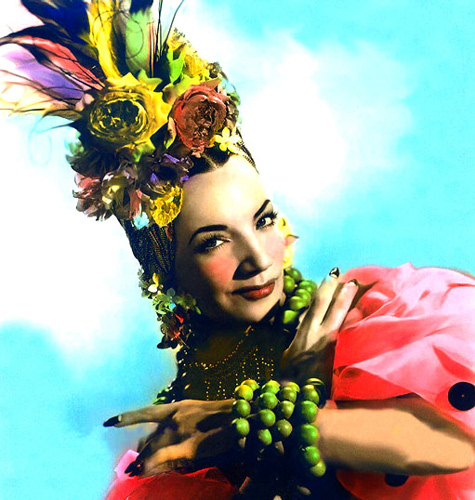
Los Hijos de Guillermo Tell fue la metáfora que usó el trovador cubano Carlos Varela como título para una de sus celebres canciones, la balada se refería a una joven generación que espera su momento de acción, su turno para demostrar su capacidad de asumir responsabilidades de adultos, que hasta ese momento, -finales de los años 80s-, eran ocupadas por un ente superior, al que se hace tímida referencia en la canción. La fábula termina con la prohibición por parte del el veterano Tell, negando los derechos a la obediente juventud.
En su tiempo, la balada que versaba sobre riesgos, valor y gestos animosos, se convirtió en el himno de los inconformes, quienes sudorosos y llenos de espíritu revolucionario la cantaban a gritos en conciertos que parecían casi-prohibidos o al menos así funcionaba la estrategia de mercadeo, pues, al tiempo que el autor era promovido oficialmente como parte de La Novísima Trova, al unísono se ordenaba la movilización de tropas autoritarias que se parapetaban en primera fila para monitorear a los inmaduros irreverentes.
Hasta un ilustre crítico de arte adoptó el suspicaz título para promover una de las exhibiciones mas desafiantes de aquellos tiempos, donde se figuraban algunas de las igualmente celebres personalidades conflictivas de las artes visuales contemporáneas.
Entre juglar y canción, enlazados en una carrera representativa de artistas e institución, establecieron un universo contestatario donde todos lograban sus propósitos, viajaban el mundo representando su inconformidad, promoviendo la encubierta libertad de expresión a la vez que se establecían como celebridades locales y los policías justificaban sus honorarios. El público foráneo, ávido consumidor del souvenir socialista y el glamour que implica la pose de la trasgresión, amablemente subvencionó la empresa.
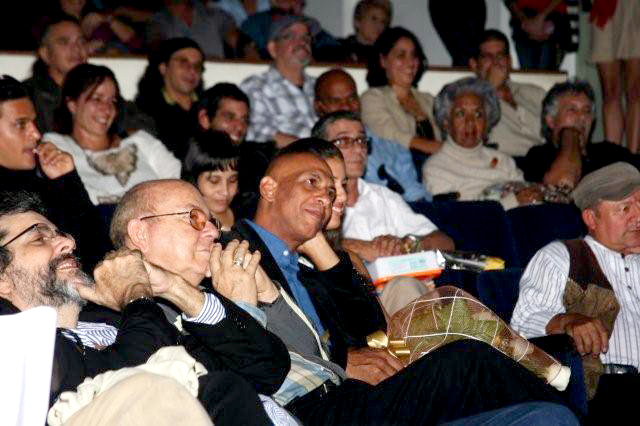
Hoy a mas de veinte años, los mismos personajes se reúnen en los mismos escenarios a tararear la extemporánea tonada, eminencias culturales se sientan en primera fila, se escuchan pronunciamientos revolucionarios y ninguno aparenta estar inconforme. Pulcros, acicalados, se regocijan y parecen susurrarse unos a otros: Banana is my business.
Liberto Henríquez De Lure
Spa Royal Hideway, Cayo Ensenacho;
Santa Clara, Cuba 2011.
- English
The Carmen Mirandas sons | Henríquez De Lure
Los Hijos de Guillermo Tell (The William Tells Sons), was the metaphor used by the Cuban singer Carlos Varela as the title for one of his famous songs, the ballad was referring to a young generation that expects their time of action, their turn to demonstrate their ability to assume ” adults responsibilities, which until that time-late-80s, were occupied by a “superior being” who is timidly referenced in the song. The story ends with the veto by the veteran Tell, denying the rights to the obedient youth.
In his time, the ballad which concerned risks, value and gestures of animosity, became the anthem of the protesters, who sweaty and full of revolutionary spirit was sung loudly at concerts that seemed almost-banned or at least that the strategy worked marketing, as while the author was officially promoted as part of the Newest Trova (Novisima Trova), together ordering the mobilization of troops to barricade in the front row to monitor the immature irreverent audience.
Even a famous art critic took the suspicious title to promote one of the most challenging exhibitions of that time, which also included some of the conflicting personalities celebrated contemporary visual arts.
Between minstrel and song, linked in a career representing artists and institution, established a rebellious universe where everyone achieved their purposes, traveling the world representing their discontent, disguised promoting “free speech” while laying down as local celebrities and the police justified their fees. The foreign spectator, avid consumer of the socialist souvenir and the glamorous irreverent pose, kindly funded the enterprise.
Today more than twenty years, the same characters come together in the same scenarios untimely humming the tune, cultural luminaries sit in the front row revolutionary pronouncements are heard and none appears to be dissatisfied. Neat, well groomed, rejoice and seem to whisper to each other, “Banana is my business.”
Liberto Henríquez De Lure